
Содержание статьи
- 1 Why Old Coins Can Be Valuable
- 2 First Steps: Identification
- 3 Assessing Condition and Grading
- 4 Rarity, Mintage and Historical Context
- 5 Authentication and Certification
- 6 Where to Research Prices
- 7 How to Sell, Buy or Insure
- 8 Common Mistakes to Avoid
- 9 Quick Practical Checklist
- 10 When to Consult an Expert
- 11 Keeping Your Collection Safe
- 12 Conclusion
Finding an old coin value app in a drawer, a pocket, or a jar sparks a small thrill. But that thrill quickly turns practical: what is this thing worth? The value of an old coin isn’t a single number you can pull from a hat. It’s a mix of date, mint mark, metal, condition, rarity, provenance and the mood of the market. This guide walks you through the exact steps to check a coin’s value, from identification to selling tips, using reliable resources and simple tools you probably already have at home.
Why Old Coins Can Be Valuable
Some coins carry metal value alone—silver and gold coins are worth at least their melt value. Others gain value from scarcity: a small mintage, a minting error, or historical backstory. Collector interest adds another layer: a coin loved by many will command higher prices, while one without demand remains modest. Understanding these drivers helps you separate sentimental curiosity from real worth.
How collectors decide worth
Collectors look at a coin and ask three questions: Is it genuine? How well-preserved is it? How rare and desirable is it? Those answers combine to shape an estimate. Remember, value is what a buyer will pay today, not a fixed textbook figure.
First Steps: Identification
The very first thing to do is identify what you have. Accurate identification lays the groundwork for everything that follows. Take your time, get good photos, and don’t rush to conclusions based on shape or color alone.
Observe date, mint mark and design
Look closely at the date and any mint mark—or absence of one. Mint marks tell you where the coin was struck and can dramatically alter value. Note the obverse and reverse designs; small differences across years can mean a different series or variety.
Measure and weigh
Use a caliper and a digital scale, ideally accurate to 0.01 g. Measure diameter and thickness, and weigh the coin. These readings help verify authenticity and identify the metal. Counterfeits sometimes have wrong weights or odd dimensions.
Photograph clearly
Take clear photos from both sides, plus close-ups of the date, mint mark and any distinguishing marks like die cracks or re-punched mint marks. Good images will be invaluable if you consult an expert or post in a collector forum.
Assessing Condition and Grading
Condition—or grade—moves prices more than almost any other factor. A well-preserved example of a common coin can be worth more than a rare but heavily worn one. Grading ranges from poor (very worn) to mint state (no wear). Learn the basics of grading and then use an experienced eye or professional service for high-value pieces.
Key visual cues for grading
Look for wear on the high points of the design, luster (that original mint sheen), surface marks, hairlines from cleaning, and any corrosion. Subtle indicators, like whether hair detail is still sharp, can change a grade by several points and shift value substantially.
Rarity, Mintage and Historical Context
Mintage numbers tell you how many were originally produced but don’t always reflect how many survive. Some low-mintage coins are common because many survived; others are rare because they were melted or lost. Historical events—forging, hoarding during wars, or removal from circulation—can also affect survivors and desirability.
Varieties and errors
Varieties (like different die combinations) and minting errors (double die, off-center strikes) create niche collecting fields. Such pieces can be significantly more valuable than standard examples, but value depends heavily on the error’s visibility and collector interest. Document any unusual features with photos and measurements.
Authentication and Certification
If a coin looks important, the next step is authentication. Certification companies provide both authentication and professional grading. For many buyers and auction houses, a slabbed coin (encapsulated by a reputable grading service) commands a premium because the grader’s opinion removes much uncertainty.
When to get a coin slabbed
If your coin has potential for significant value—if it’s an old gold piece, a key date, or a rare error—pay for certification. Otherwise, for common, low-value coins, certification costs often exceed any price difference candidates could fetch. Use certified results to attract serious buyers and get insurance-grade documentation.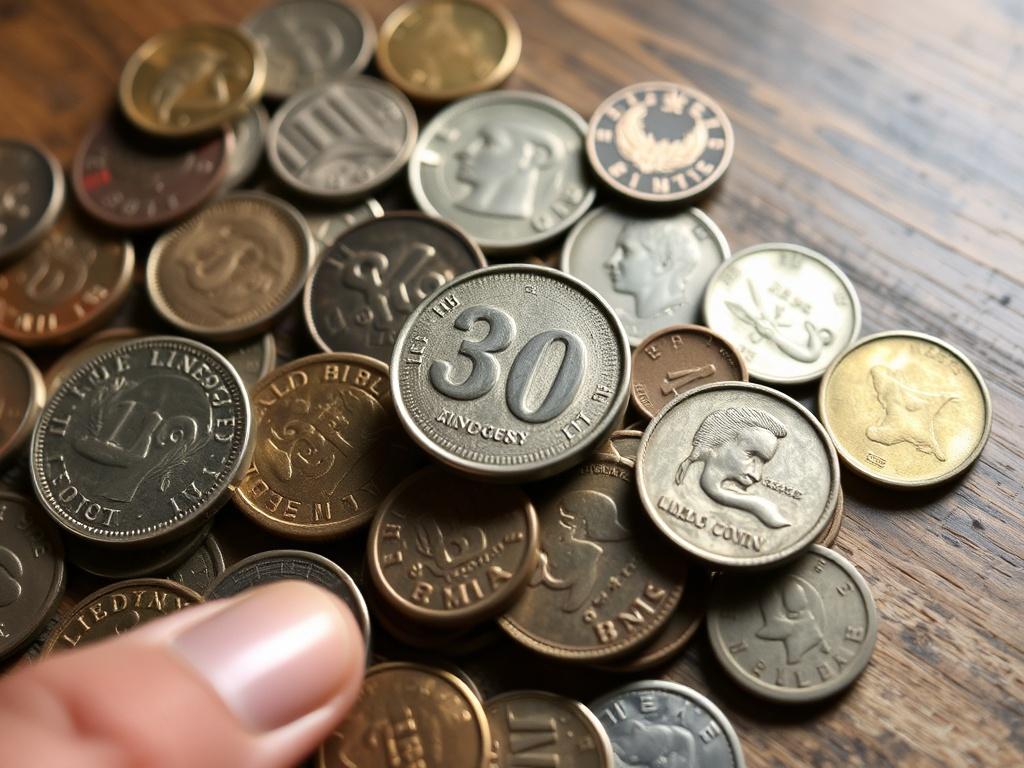
Where to Research Prices
Once identified and roughly graded, you’ll want price context. Use multiple sources: price guides, auction results, dealer listings and recent sales. Cross-check to avoid relying on a single, outdated listing.
Trusted resources and how to use them
- Numismatic reference books (example: regional standard catalogs)—great for basic mintage and variety info.
- Certification services’ population reports (PCGS, NGC)—show how many slabs exist at each grade.
- Auction archives (Heritage, Stack’s Bowers, eBay sold listings)—reveal what similar coins actually sold for.
- Price guides and market reports—useful for trends but treat them as starting points, not gospel.
| Resource Type | Best Use | Examples |
|---|---|---|
| Reference Books | Mintage, varieties, historical notes | Standard catalogs, specialty guides |
| Certification Data | Population and grade comparison | PCGS, NGC reports |
| Auction Archives | Realized prices and buyer demand | Heritage Auctions, Stack’s, eBay sold |
| Online Marketplaces | Listing prices and market context | eBay, specialist dealers |
How to Sell, Buy or Insure
Decide your goal before moving a coin. Are you testing the market, seeking a quick sale, or aiming for the highest return? Each choice points to different venues: local dealers for speed, auction houses for high-profile lots, and online marketplaces for wide exposure.
Where to sell
- Local coin shops—for quick evaluations and immediate offers.
- Auctions—for rarities or pieces likely to draw competitive bids.
- Online marketplaces—for wide reach; research recent sold listings first.
- Private sales—effective for unique or high-value coins with proper vetting.
For insurance, document the coin with a photo, a written description, and provenance or certification if available. Insurers prefer appraisal values from reputable numismatists for coins exceeding modest sums.
Common Mistakes to Avoid
Many first-time evaluators fall into the same traps. Don’t clean a coin to try to “reveal” markings—cleaning often destroys value. Don’t trust a single price guide or an unverified online listing. And don’t assume metal content equals collector value; a worn silver dollar has metal worth, but numismatic value could be far higher (or lower) depending on other factors.
- Avoid cleaning or polishing—preserve original surfaces.
- Don’t believe “too good to be true” offers—scams exist.
- Be skeptical of unverified provenance—ask for documentation.
- Use multiple price points—guide books, auction results, and dealer quotes.
Quick Practical Checklist
| Step | What to Do | Why It Matters |
|---|---|---|
| Identify | Record date, mint mark, design | Establish basic identity and series |
| Measure | Weigh and measure diameter | Helps confirm metal and authenticity |
| Photograph | High-quality images of obverse, reverse, details | Useful for online research and expert consultations |
| Grade | Assess wear, luster, marks | Major factor in value |
| Research | Check books, auction results, certification data | Establish market value and rarity context |
| Authenticate | Consider certification for valuable coins | Removes buyer uncertainty and often raises sale price |
When to Consult an Expert
If a coin is old and looks unusual, or if your research points to a potentially valuable date or error, talk to an experienced numismatist. Local coin clubs and reputable dealers can offer initial guidance. For anything that might be worth more than a few hundred dollars, a formal appraisal or certification is often worth the cost—especially if you plan to insure or auction the coin.
Finding trustworthy experts
Choose certified dealers or appraisers with verifiable credentials and references. Look for memberships in professional organizations, transparent fee structures, and a reputation you can check through reviews and auction records. Don’t rely on a single opinion if the stake is high—get a second look.
Keeping Your Collection Safe
Storage matters. Use inert holders like mylar flips or certified plastic slabs for valuable pieces. Avoid humid storage, direct sunlight and household chemicals. For very valuable coins, consider a bank safe deposit box or a professionally managed storage program. Proper documentation—photos, invoices, and certificates—makes insurance and resale straightforward.
Conclusion
Checking the value of an old coin is a careful mix of observation, research and a pinch of market savvy. Start by identifying and documenting the piece, measure and grade it honestly, and use multiple trusted sources to build a price picture. Avoid cleaning, seek certification when the stakes are high, and choose selling channels that match your goals. With patience and the right steps, a single coin can open a satisfying path into numismatics—or simply reveal a pleasant surprise you didn’t expect.


 Loading...